Data that helps you decide better.
Practical articles on inventory management, financial metrics, and how to turn inventory data into real decisions.

How the Data Analyst's Job Is Actually Changing — What AI Dashboards Already Do, and What to Build Next
AI-generated dashboards now do a version of what used to take an analyst half a week: pulling data, cleaning it, building the recurring report. The job isn't disappearing — it's splitting. Here's what's already automated, and what's worth getting better at instead.

Essential Financial Concepts: The Vocabulary Every Team Should Master
Margin, markup, break-even, working capital, ROI, churn — these words get used in every planning meeting, and most of the people in the room only half-know what they mean. Here's a plain-language field guide to 17 essential terms, built for the whole team, not just the accountant.

What AI Actually Replaces in Retail Decision-Making (And What It Doesn't)
AI can produce a full inventory and sales diagnosis in minutes. But the diagnosis was never the hard part of the job. Here's where the line between automation and judgment actually sits — for owners, general managers, and consultants alike.

Inventory Audit Checklist: A Step-by-Step Guide to Counting Stock Accurately
A messy audit wastes a day and still leaves you unsure of the numbers. Here's a checklist that makes the count actually reliable.

Excel vs Inventory Management Software: When Spreadsheets Stop Being Enough
Excel works fine for inventory — until it doesn't. Here's how to tell whether your spreadsheet has quietly become the biggest risk in your operation.

Inventory Shrinkage: Why Your Stock Count Never Matches the System
Theft, damage, admin errors, and supplier shortages all show up the same way: a gap between what your system says you have and what's actually on the shelf.

Seasonal Inventory Planning: Preparing Stock for Black Friday and Peak Dates
Peak season punishes both overstocking and understocking harder than any other time of year. Here's how to plan for it without guessing.

Multi-Location Inventory Management: Keeping Stock in Sync Across Stores and Warehouses
One location out of stock while another has a surplus sitting in the back room — multi-location inventory brings its own set of problems that single-store rules don't solve.
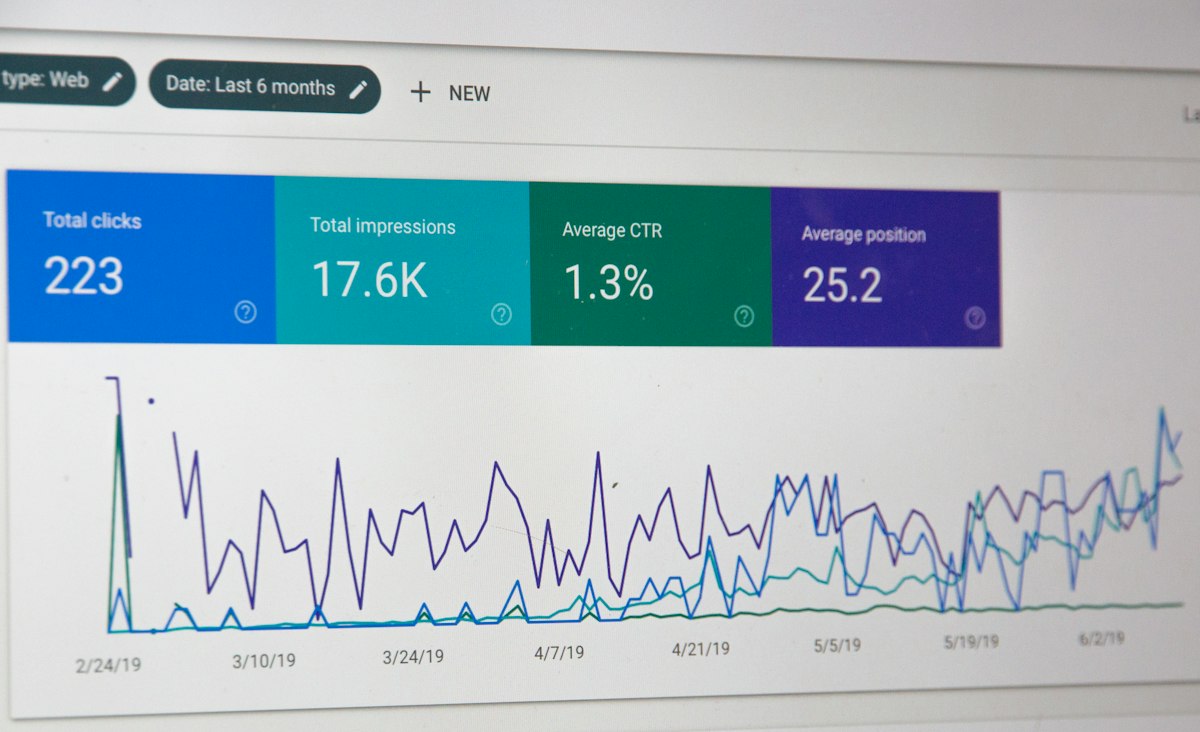
Perpetual vs Periodic Inventory: Which System Fits Your Business
One system updates stock levels with every transaction. The other counts everything by hand on a schedule. Here's how to know which one your business actually needs.

Inventory KPIs Every Business Should Track (and How to Read Them)
Tracking too many numbers is as useless as tracking none. Here are the inventory KPIs that actually drive decisions — and how they connect to each other.
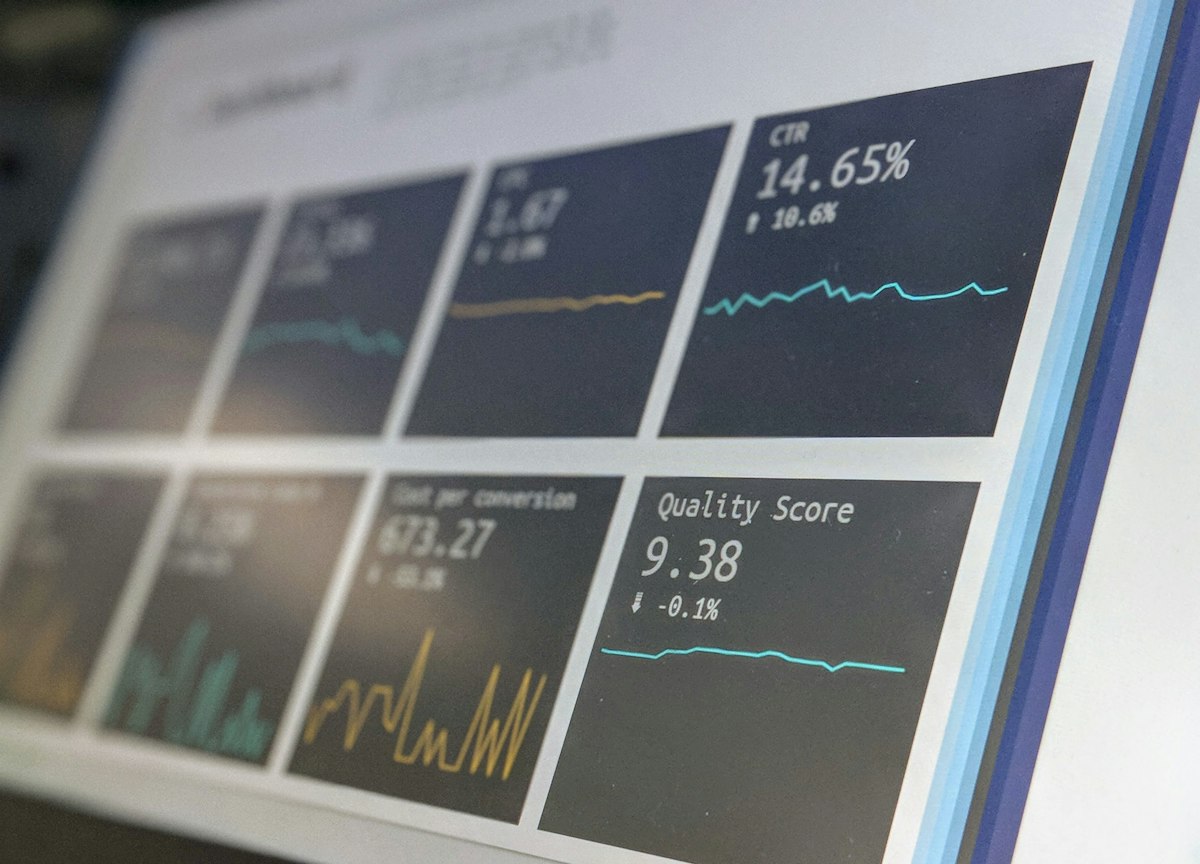
Reorder Point: How to Know Exactly When to Reorder
Reordering by gut feeling means you either run out or tie up cash in stock you don't need yet. The reorder point formula fixes that with one number per SKU.

Demand Forecasting for Small Businesses: A Practical Guide
You don't need a data science team to forecast demand well. Here's a practical approach that works with the data most small businesses already have.

Dead Stock: How to Identify and Clear Slow-Moving Inventory
Dead stock quietly eats into cash flow and warehouse space. Here's how to spot it early and decide what to do with it before it becomes a write-off.

Safety Stock: How to Calculate It Without Overstocking
Safety stock protects you from demand spikes and supplier delays — but get it wrong and you're just paying to store extra inventory. Here's how to size it right.

Inventory Turnover Ratio: How to Calculate It and What's a Good Number
Inventory turnover tells you how fast stock actually moves — but only if you know how to read it. Here's the formula, benchmarks, and common traps.

How to Reduce Stockouts With Data, Not Guesswork
Stockouts cost you sales every day — and most businesses only notice after the customer is already gone. Here's how data-driven decisions prevent that.

GMROI: What It Is and How to Calculate Your Inventory's Real Return
GMROI shows how much gross profit every dollar invested in inventory is generating. Here's why this metric matters more than turnover alone.
ABC Analysis in Practice: Prioritizing What Actually Moves Your Business
Not every product deserves the same level of attention. ABC analysis helps you decide where to focus time, capital, and replenishment effort.